
“Cheerleading is not a sport.”
It is one of the most frustrating statements a cheerleader can hear.
You may immediately think of a hundred reasons why it is wrong, yet still struggle to convince someone who has already made up their mind. This misconception often comes from people not fully understanding what cheerleading involves.
Movies and television programmes have also shaped an inaccurate image of cheerleaders. They are often portrayed as girls in uniforms who stand at the side of a field, focus on popularity and are not serious about school.
Competitive cheerleading is very different.
Cheerleaders are disciplined athletes who spend countless hours building their strength, flexibility, coordination and skills. They must also learn to trust their teammates and work together under pressure.
So, is cheerleading really a sport?
Let’s look at the facts.
Two Types of Cheerleading
There are two main types of cheerleading: sideline cheerleading and competitive cheerleading.
Sideline cheerleaders support another sports team, energise the crowd and create excitement during a game.
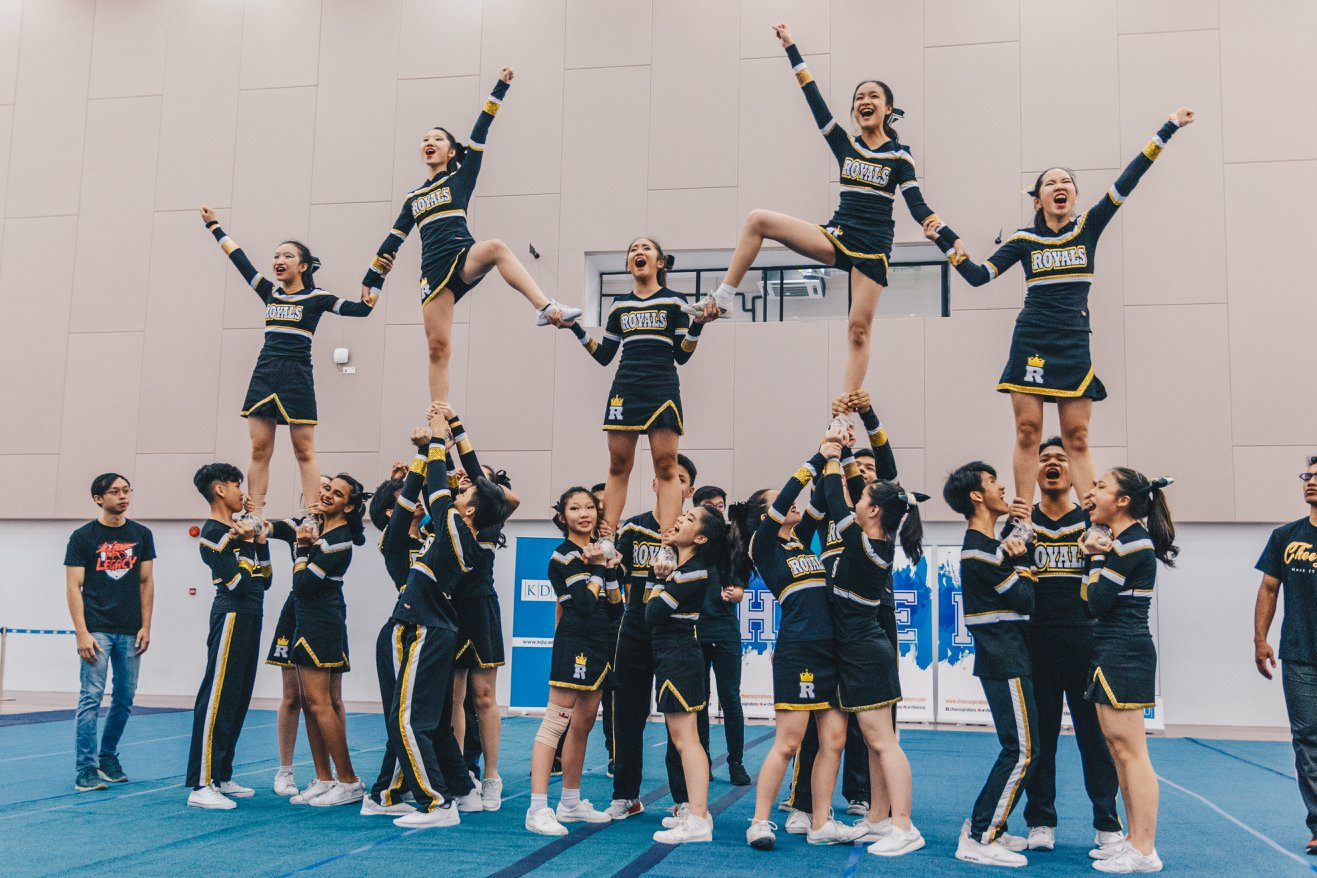
Competitive cheerleaders perform a choreographed routine against other teams. Their routines include elements such as:
- Stunts
- Pyramids
- Tosses
- Jumps
- Tumbling
- Dance
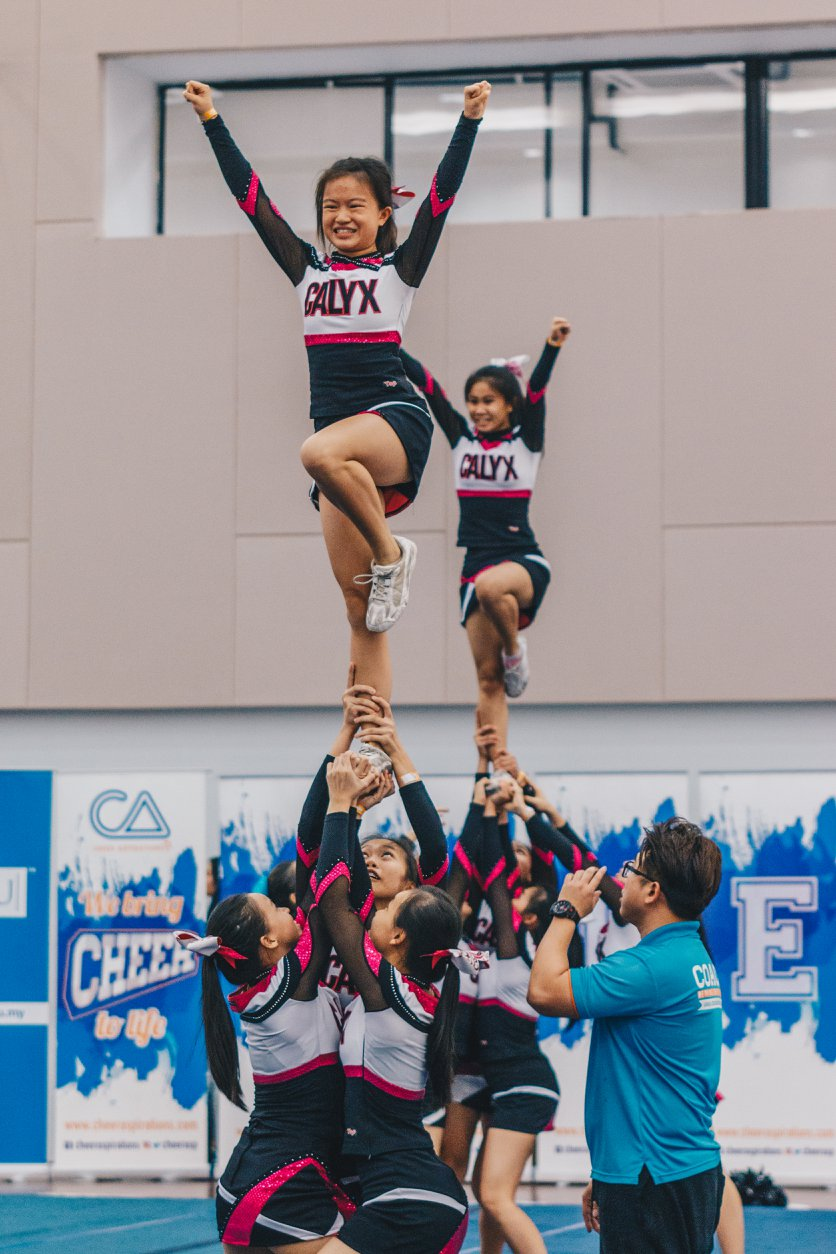

A panel of qualified judges evaluates each team based on factors such as difficulty, execution, technique and overall performance.
Although sideline and competitive cheerleading are closely connected, this article focuses mainly on competitive cheerleading as a sport.
What Makes an Activity a Sport?
A sport generally involves physical exertion and skill, with individuals or teams competing against one another.
Competitive cheerleading clearly meets these requirements.
It demands strength, stamina, flexibility, coordination, timing, courage and teamwork. Cheerleaders also compete against other teams and receive scores and rankings from judges.
Let’s look at these elements more closely.
Cheerleading Requires Strength and Skill
Cheerleading is an extremely physical activity.
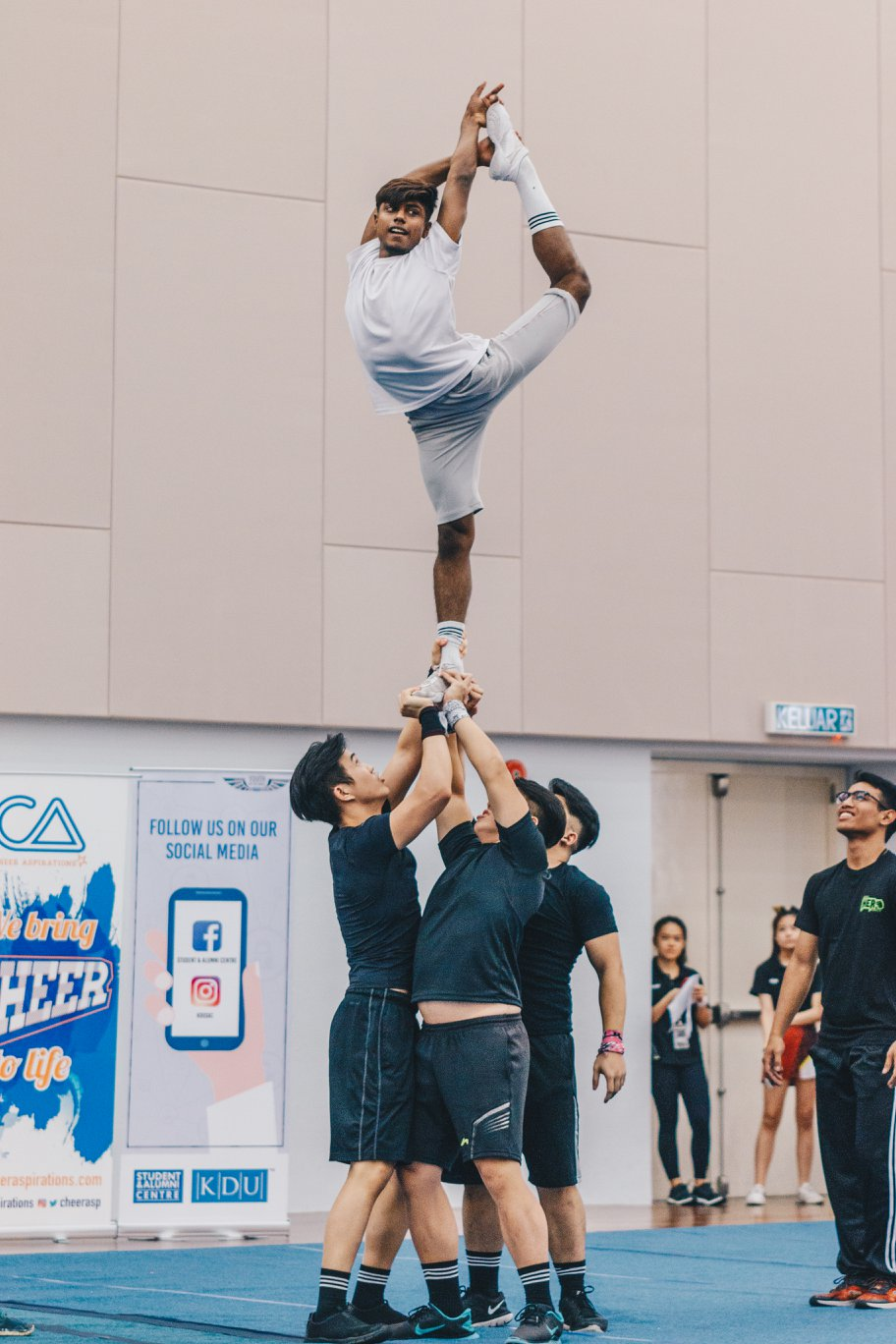
Bases and backspots must lift, throw and catch their teammates. Flyers must balance high in the air, maintain precise body positions and perform flexibility skills while remaining completely controlled.
Throwing and catching a ball requires strength and coordination. Throwing and catching another person requires even more control, timing and trust.
Every athlete has an important role.
A single stunt may require several teammates to move at exactly the right moment. Even a small mistake in timing or technique can affect the entire skill.
This is why cheerleaders train repeatedly to build proper technique and perform safely.
Cheerleading Requires Trust and Teamwork
Cheerleading is built on trust.
Flyers place their safety in the hands of their bases and backspots. At the same time, the athletes supporting them must trust the flyer to stay tight, controlled and aware of her body position.
Cheerleaders may sometimes be asked to perform with teammates they have only recently met. They must quickly learn how to communicate, adjust to one another and work together.
The connection between teammates is one of the most special parts of cheerleading.
Everyone shares responsibility for the success and safety of the skill. No athlete can perform a group stunt alone.
Cheerleading Is Physically Demanding
Whether you are a base, backspot, flyer or tumbler, cheerleading places significant demands on the body.
Bases and backspots need strength to support and catch flyers.
Flyers need balance, flexibility and body control.
Tumblers need power, coordination and technique.
Jumps require explosive strength and flexibility, while dance sections demand stamina, rhythm and sharp movements.
A cheerleading routine may only last a few minutes, but athletes must perform every element with energy, precision and confidence from beginning to end.
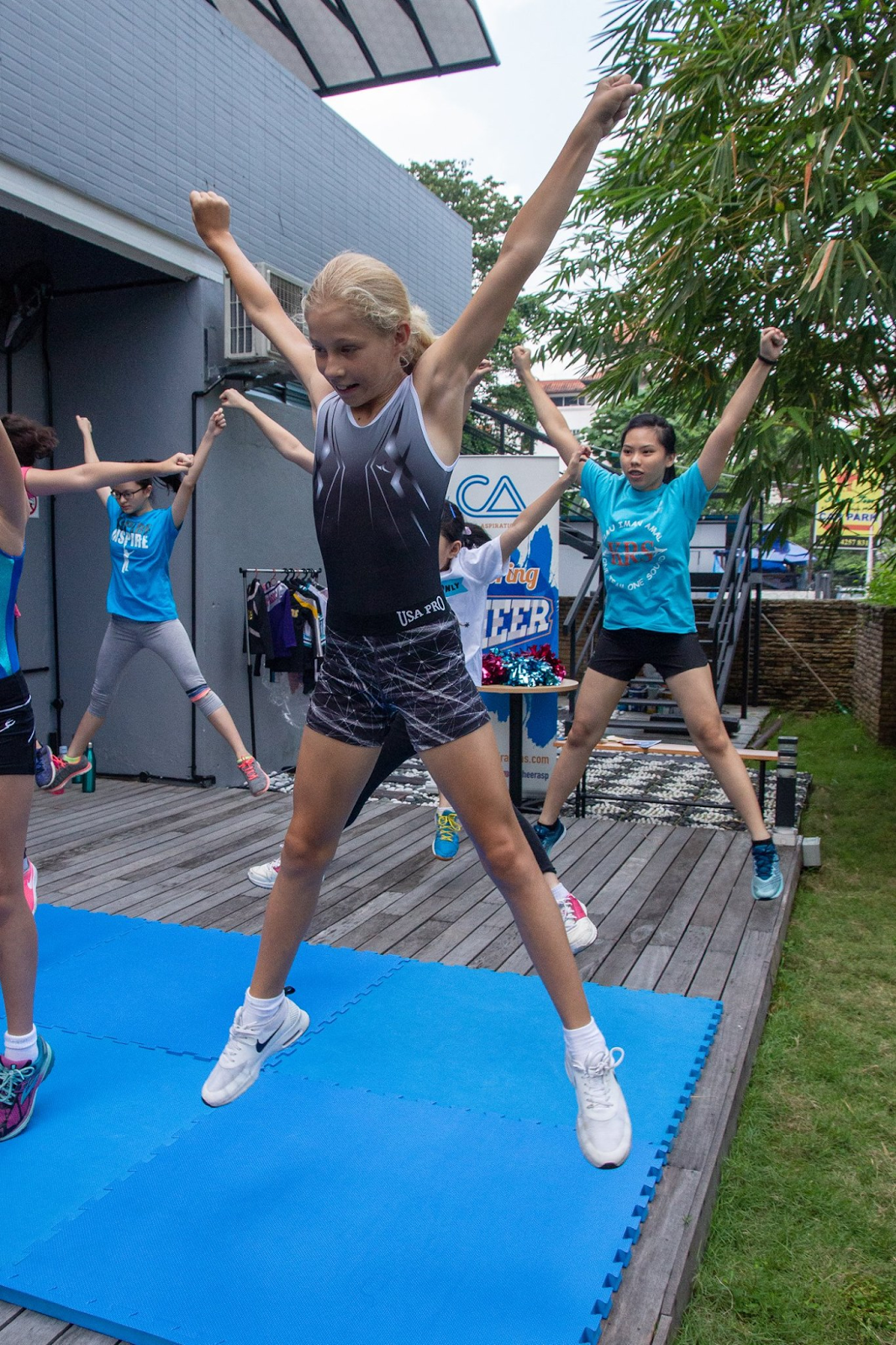
Try a full cheerleading practice and you may discover muscles you never knew you had!
Cheerleaders Compete
Another common misconception is that cheerleaders do not compete.
Competitive cheerleading teams train throughout the year to perfect their routines. They participate in competitions at local, national and international levels.
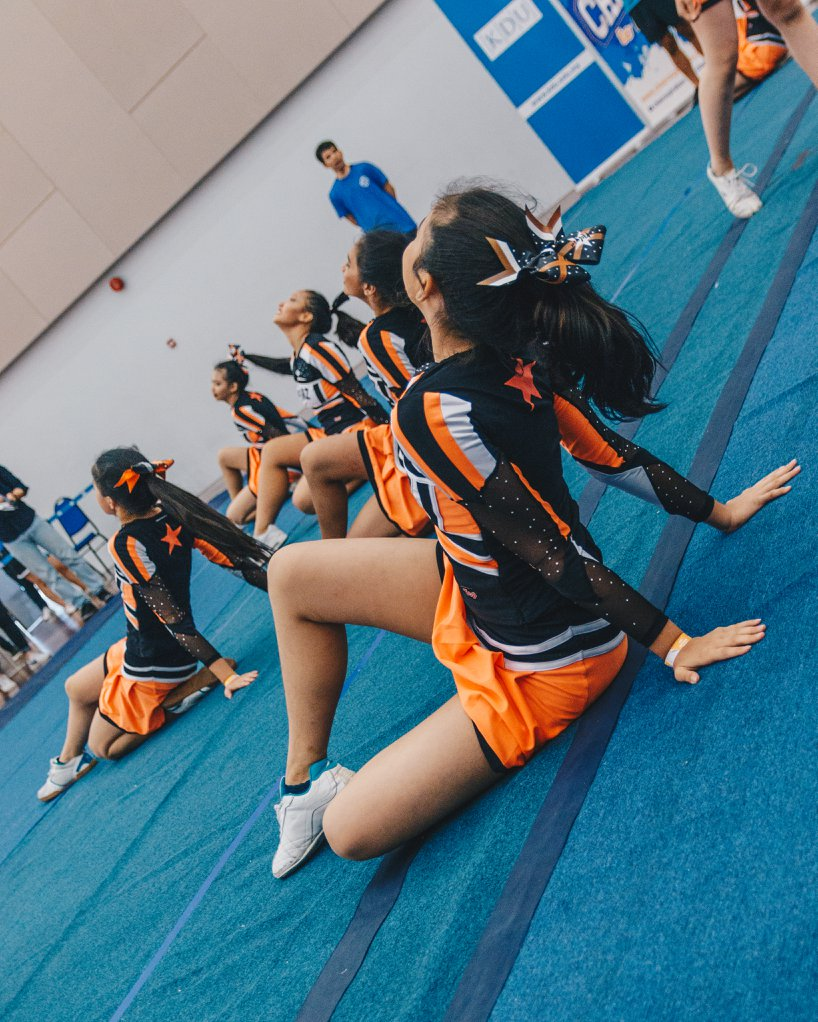
During a competition, teams perform on the mat in front of a judging panel. Judges score the routine according to specific criteria, and teams receive rankings or placements based on their performance.
Cheerleaders train to improve their scores, outperform their previous routines and compete for championship titles—just like athletes in other sports.
Competitive, Yet Supportive
Cheerleading is highly competitive, but it also promotes excellent sportsmanship.
Teams may be competing for the same title, yet they often cheer for one another from the side of the mat.
When another team performs, athletes understand the courage and effort required to step onto the competition floor. They encourage one another, celebrate successful routines and show support even when they are rivals.
This combination of competition and community makes cheerleading unique.
More Than What You See on Screen
Cheerleading is not simply about uniforms, smiles and pom-poms.
Behind every performance are hours of training, repeated attempts, physical conditioning, teamwork and determination.
Cheerleaders lift and catch people. They tumble across the floor, perform powerful jumps and balance several metres above the ground. They compete under pressure while relying completely on their teammates.
Cheerleading requires physical exertion, skill and competition.
That makes it a sport.
Still unsure? Attend a cheerleading competition and experience the energy for yourself. Once you see the strength, precision and teamwork on the competition floor, you may never look at cheerleading the same way again.
Follow Cheer Aspirations on Instagram to stay updated on upcoming cheerleading events: instagram.com/cheerasp