
Before starting a new sport, one of the first questions you may have is: what exactly will I be doing?
In some sports, the roles seem straightforward. You pick up a racquet and hit a ball, or run across a field and try to score a goal.
Cheerleading is a little different.
During a stunt, every athlete has a specific role and responsibility. Each person must move at the correct time, use the proper technique and work closely with the rest of the stunt group.
The three main cheerleading roles are:
- Bases
- Spotters
- Flyers
Many cheerleaders specialise in one or two positions, while more versatile athletes may train in all three.
Which role sounds most suitable for you?
Bases
Bases are the foundation of a stunt.
They support the flyer’s feet and help lift, hold and catch the flyer throughout the skill. Without bases, the flyer would need some kind of magical power to float in the air!
Bases are often assumed to be the taller or stronger members of the team. However, a good base is not determined by size alone.
Technique, timing and body position are just as important as strength.
A base should use the whole body when lifting—not only the arms.
Power begins from the legs. As the bases bend and push through the floor, the movement travels through the body and into the arms, helping the stunt rise smoothly.
When bases rely only on their arms, the stunt may feel much heavier and become harder to control.
Good bases should focus on:
- Using their legs to generate power
- Keeping their backs and chests upright
- Maintaining strong grips
- Moving at the same time as the other bases
- Watching and listening for stunt counts
- Catching the flyer safely during dismounts
Correct posture is especially important. Bases should avoid leaning too far forwards or backwards while supporting the stunt.
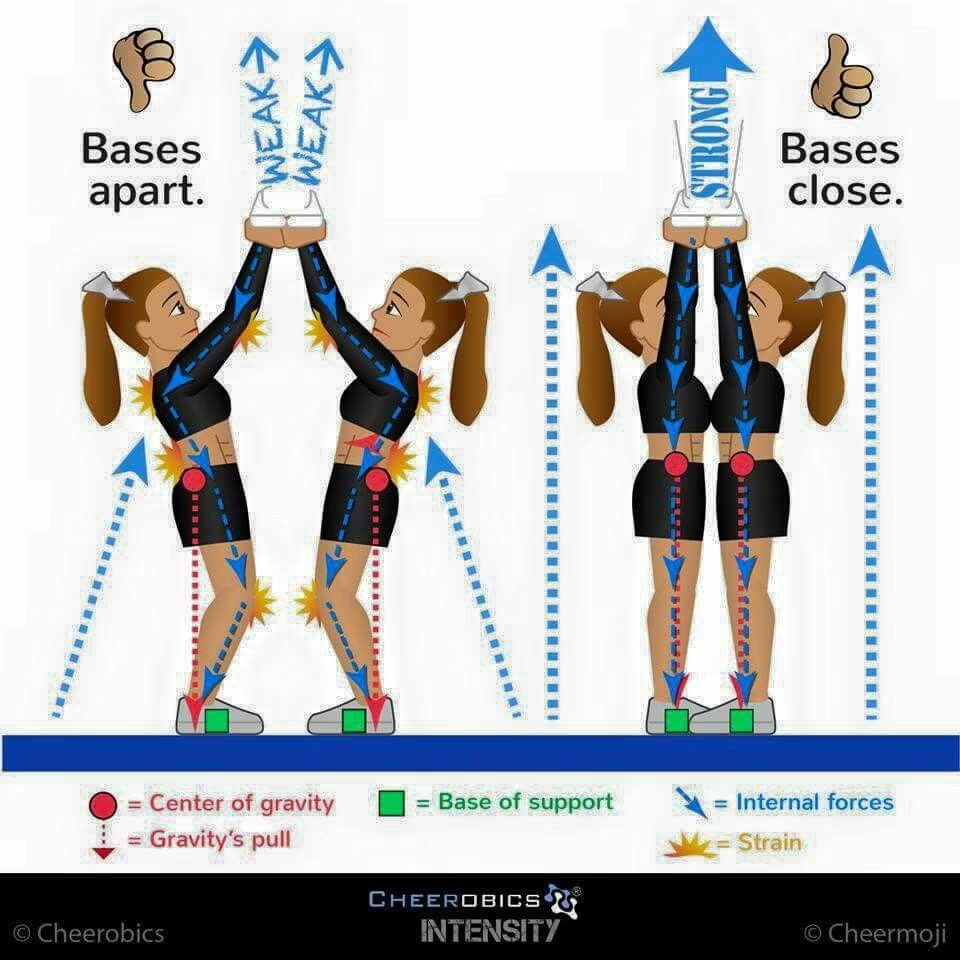
Keeping the body properly aligned helps the force travel upwards more efficiently and reduces unnecessary strain.
Strength work is still important, but strength becomes much more useful when it is combined with good technique.
Spotters
Spotters help support and stabilise the stunt.
A spotter is commonly positioned behind the flyer and is often called a backspot. Depending on the stunt and rules, an additional spotter may also be positioned at the front.
Spotters are not always the main source of support, but they play a very important role in the stunt group.
They help to:
- Guide and stabilise the flyer
- Support the bases
- Control the timing of the stunt
- Watch the flyer’s body position
- Assist during dismounts and catches
- React quickly if the stunt becomes unstable
Because backspots can often see more of the stunt than the bases or flyer, they may call the counts and help coordinate the group.
Being a good spotter requires balance.
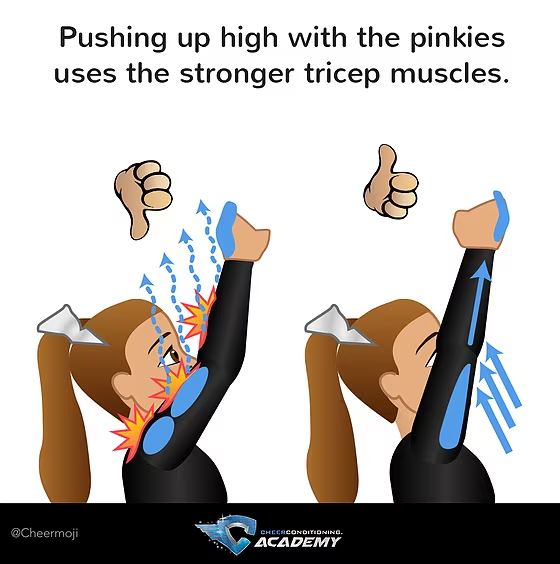
Helping too little can place unnecessary pressure on the bases. However, pulling or lifting too aggressively may disrupt the flyer’s balance or prevent the flyer from standing correctly on the bases’ hands.
The goal is not to take all the flyer’s weight away from the bases.
Instead, the spotter should help guide the stunt, maintain stability and provide the correct amount of support at the right moment.
As a backspot, I once thought that using as much strength as possible would make the stunt easier for my bases.
I eventually learnt that too much force could interfere with the flyer’s balance. A good backspot does not simply pull upwards. The backspot works with the whole group to keep the stunt controlled and steady.
Spotters need strength, awareness, timing and quick reactions.
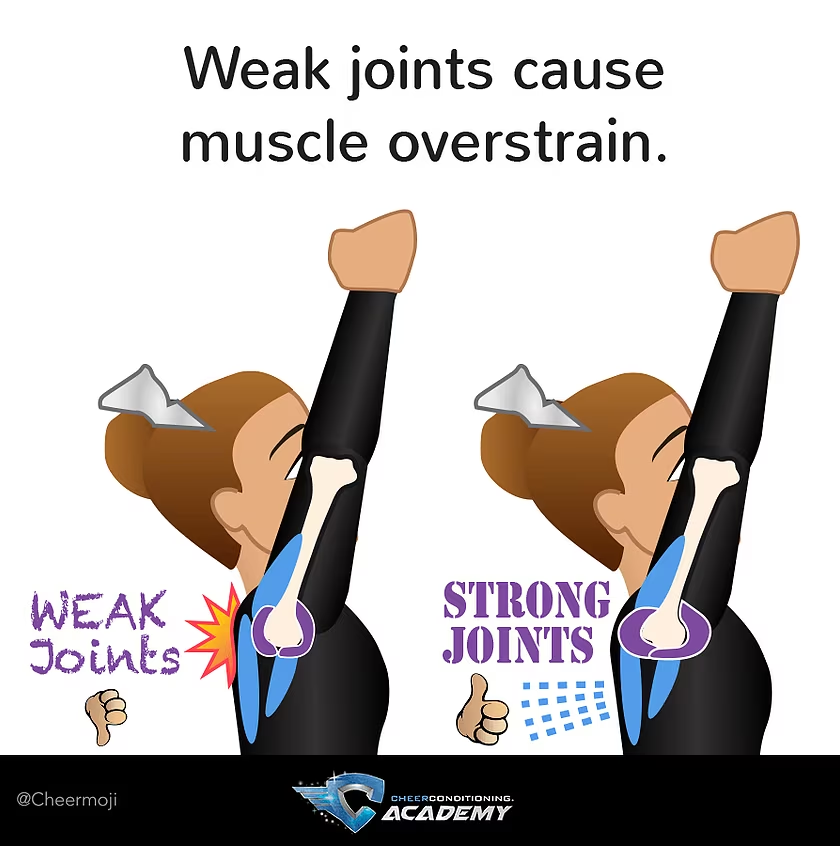
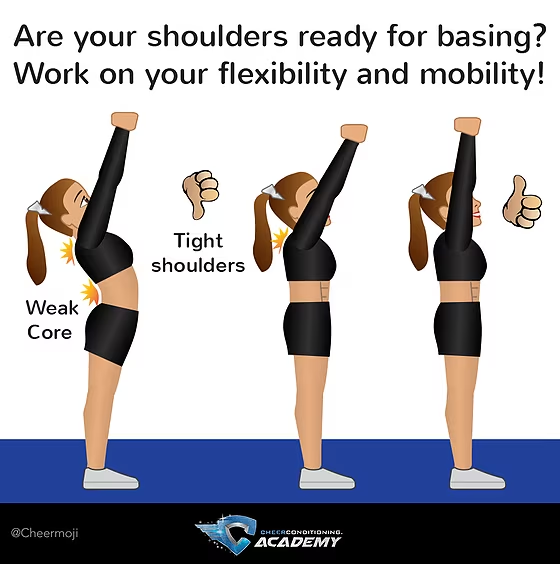
Image [1], [2], [3], [4]: Credits to Cheer Conditioning Academy and Cheermoji
Flyers
Flyers are the athletes who are lifted, tossed or supported in the air.
Flying can be exciting and exhilarating, but it also requires courage, discipline and excellent body control.
It may look as though flyers have the easiest role because they are not lifting another person. In reality, flying is also physically demanding.
Flyers must understand how to control their entire body.
Even a small change in posture or weight distribution can affect the balance of the stunt. Flyers need to remain tight, hold the correct positions and respond quickly to the movements of their bases.
Good flyers should work on:
- Full-body tension
- Balance and stability
- Core strength
- Flexibility
- Confidence
- Precise timing
- Awareness of their body position
Some one-legged stunts may also include flexibility positions such as:
- Heel stretches
- Scorpions
- Scales
Performing these positions on the ground can already be challenging. Performing them while balancing in the air requires even more strength, flexibility and control.
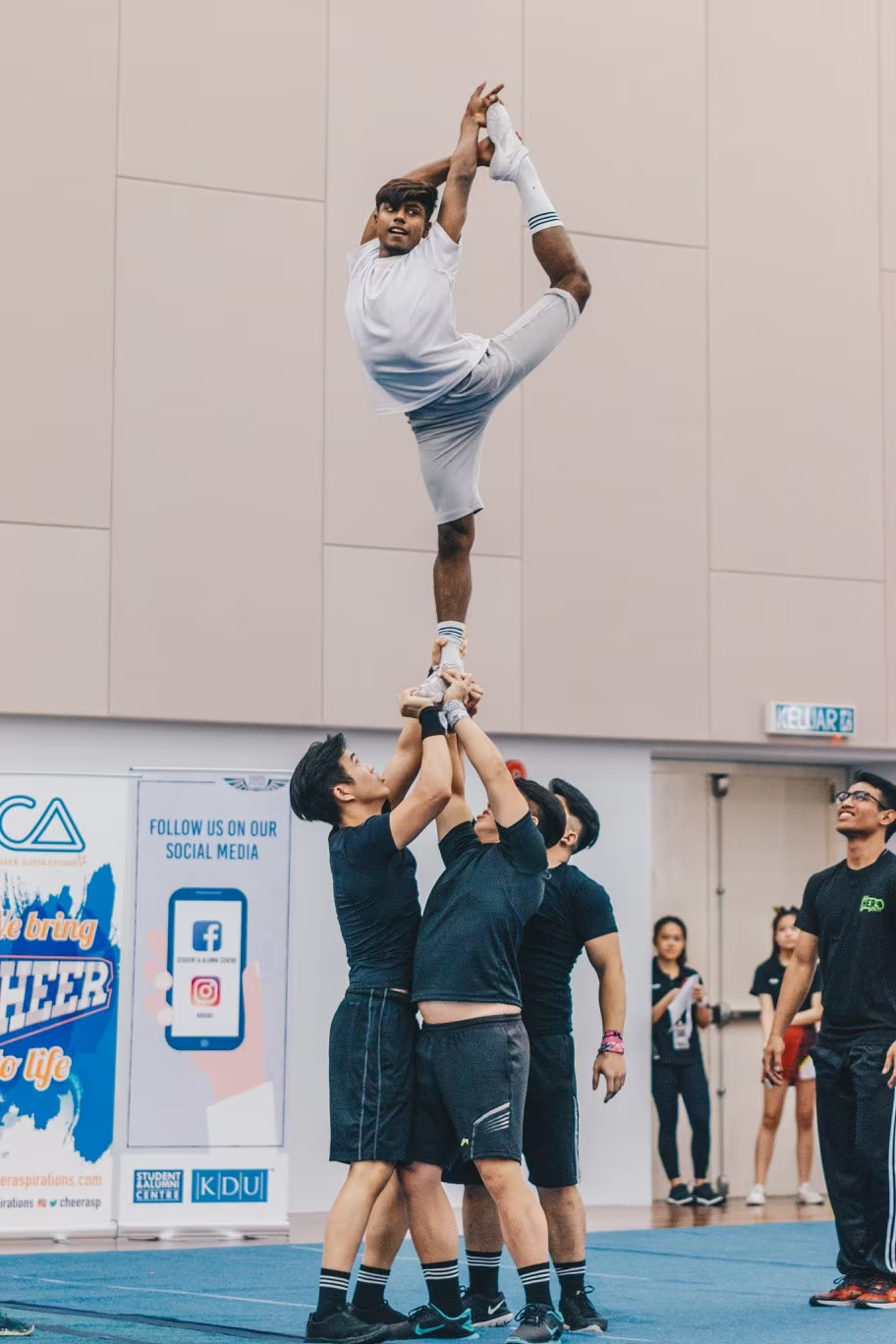
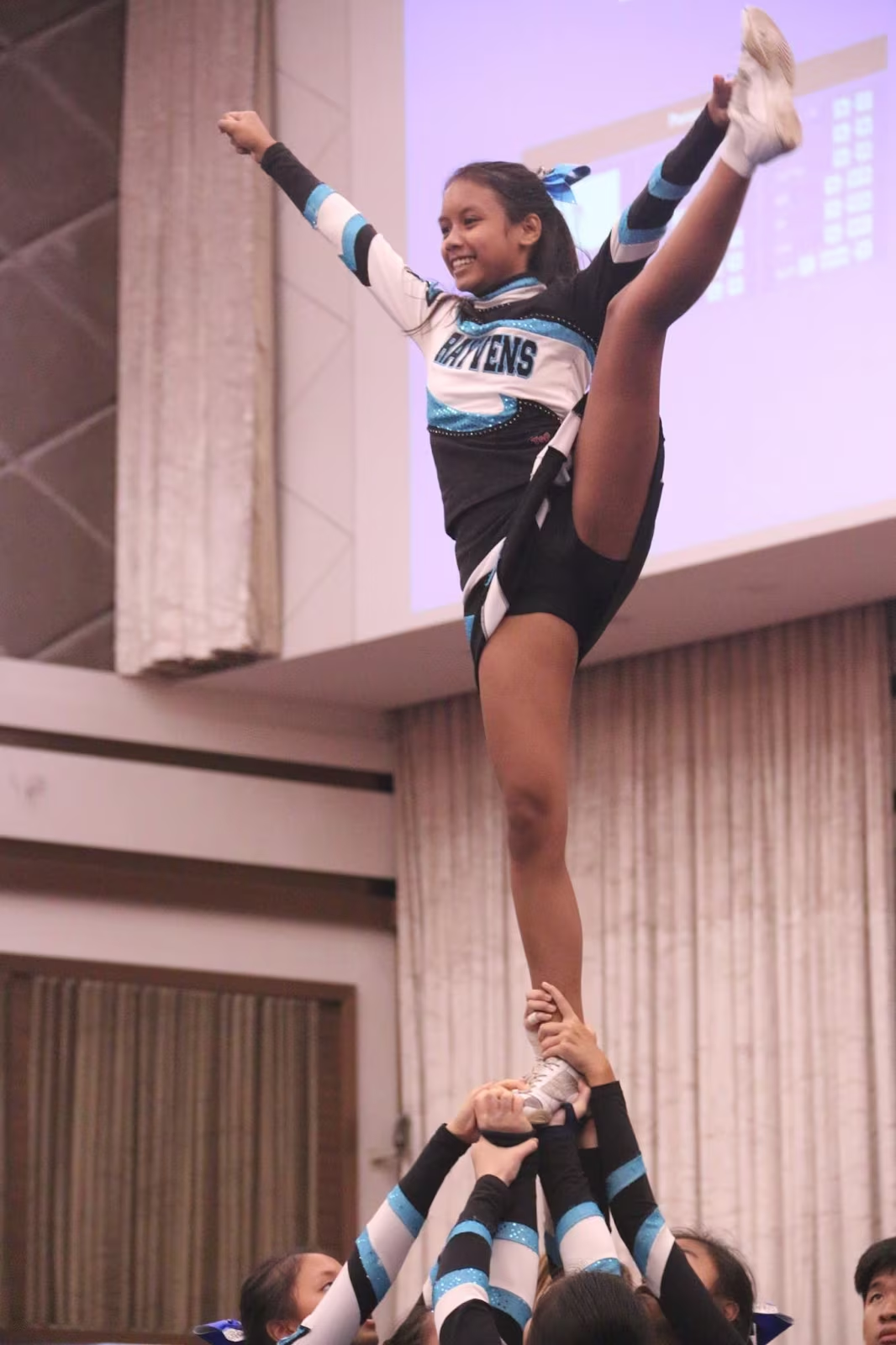
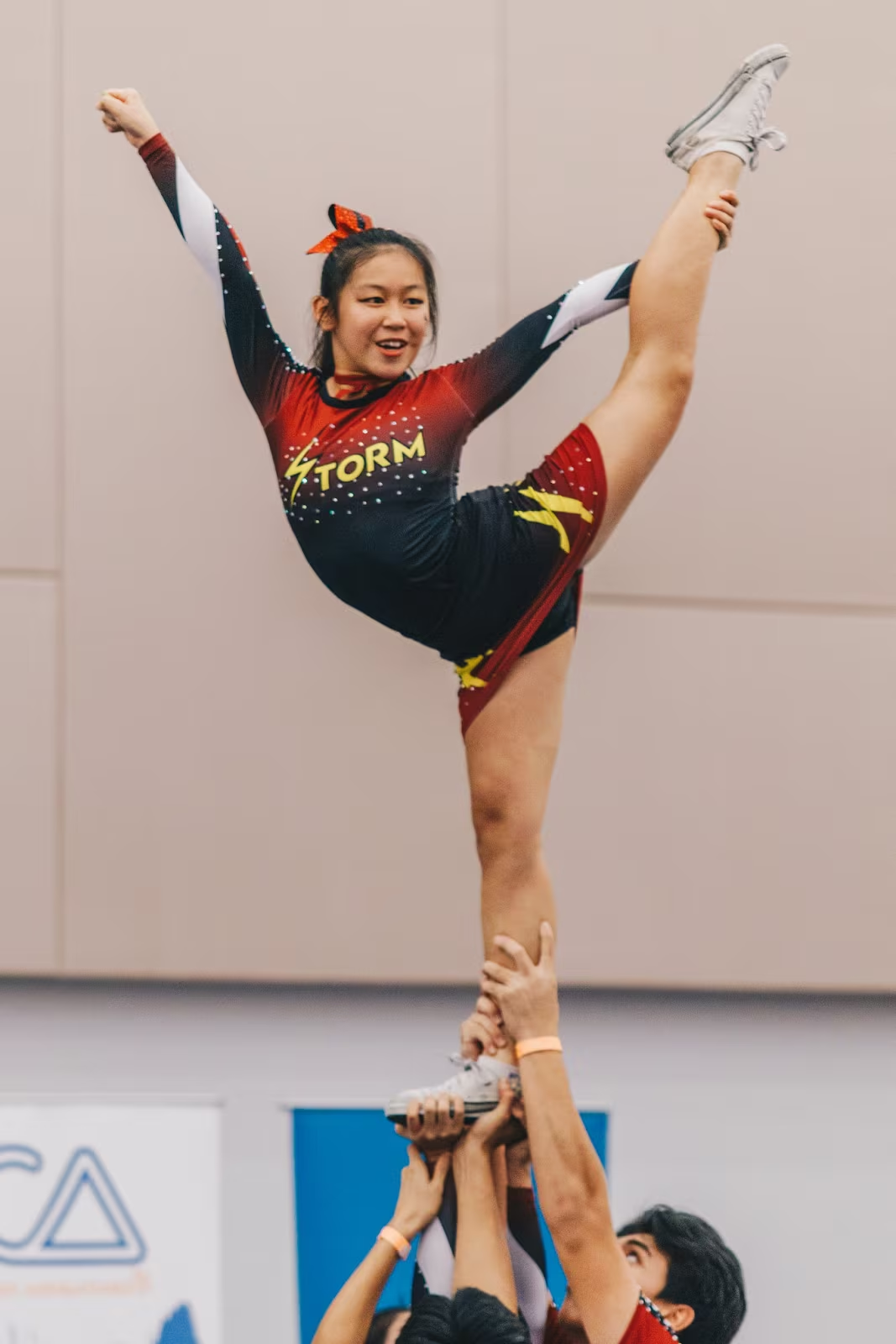
At advanced levels, flyers may also perform twisting or flipping skills during stunt entries, tosses and dismounts.
These skills require proper training, accurate timing and qualified coaching.
Although flying may look effortless during a performance, a great deal of practice goes into making every position appear confident and controlled.
A Simple Reminder for Flyers
Aspiring flyers can remember the word T-A-B-E:
Tight
Keep the body firm and controlled. Avoid bending or relaxing unexpectedly, as this can make the stunt unstable.
Arms
Use the correct arm position for each skill and keep the upper body engaged. In some transitions, flyers may need to support part of their own body weight.
Balance
Find your centre and maintain even weight distribution. Staying balanced makes the stunt feel more secure for both the flyer and the bases.
Eyes
Keep your eyes lifted and focus forwards rather than looking down. Good eye focus can improve posture, confidence and presentation.
Which Role Is Best for You?
Every cheerleading role is important.
Bases provide strength and support. Spotters guide and stabilise the stunt. Flyers use balance, control and confidence to complete the skill in the air.
No role is easier or less valuable than another.
A stunt succeeds only when every athlete performs their responsibility correctly and works together as one group.
With proper coaching, safe progressions and consistent practice, cheerleaders can develop the skills needed for any position.
You may even discover that you enjoy more than one role!

