

Starting cheerleading can feel a little overwhelming. What should you wear? What shoes do you need? Are accessories allowed?
Don’t worry—this guide covers the basic practice apparel every cheerleader needs to train comfortably, move confidently and, most importantly, stay safe.
This is the first article in our Cheerleading Guide series, where we’ll cover everything you need to know about cheerleading apparel, equipment and skills.
Why the Right Practice Wear Matters
The correct clothing is not just about looking like a cheerleader. It also plays an important role in safety and performance.
Clothing that is too loose, restrictive or unsuitable can interfere with stunts, tumbling and jumps. It may also distract you or your teammates while performing skills.
Before we look at what you should wear, here are a few things that should not be worn during practices or competitions:
- Body accessories such as earrings, piercings, necklaces, rings and bracelets
- Slippers or sandals
- Sharp hair accessories such as bobby pins, decorative headpieces or metal headbands
Cheerleading involves fast movements, close physical contact and high-risk skills. Removing unsafe items helps protect both you and your teammates.
1. Tops
For both male and female cheerleaders, tops should be well-fitting—not too loose and not too tight.
Choose a lightweight, stretchable and breathable material, such as a dry-fit sports top. Cheerleading involves plenty of arm movement, so your top should allow you to move freely without riding up or getting in the way.
A suitable practice top should allow a full range of movement, stay in place during stunts and tumbling, and remain comfortable even when you sweat.
2. Bottoms
Your bottoms should be flexible and non-restrictive, allowing you to move your legs and hips freely.
An easy way to test them is to put them on and try a high kick, squat or split. If the material pulls tightly or limits your movement, it may not be suitable for cheerleading practice.
Stretching restrictive material too far may also cause it to tear—and no one wants a wardrobe malfunction during training!
Suitable options include sports shorts, leggings, tights and stretchable training pants made from materials such as spandex or polyester.
Flyers should wear fitted bottoms or a pair of tights underneath looser sports shorts. This helps bases achieve a safer and more secure grip while preventing loose fabric from getting caught during stunts.
3. Footwear
Shoes are important for every cheerleader—not only flyers.
Bases, backspots, tumblers and flyers should all wear suitable shoes during practice. Training barefoot may leave your toes and feet more exposed to injury, especially during fast-moving stunts and transitions.
Wearing shoes during practice also helps you become comfortable performing your skills in the same conditions as a competition. Cheerleaders who always practise barefoot may find that their jumps and tumbling feel different once shoes are added.
Choose shoes that are lightweight, comfortable, flexible and secure. They should fit closely without being painfully tight.
For flyers, a secure fit is especially important. Loose shoes may make it harder for bases to grip properly—or could even fly off during a skill!
4. Hair and Accessories
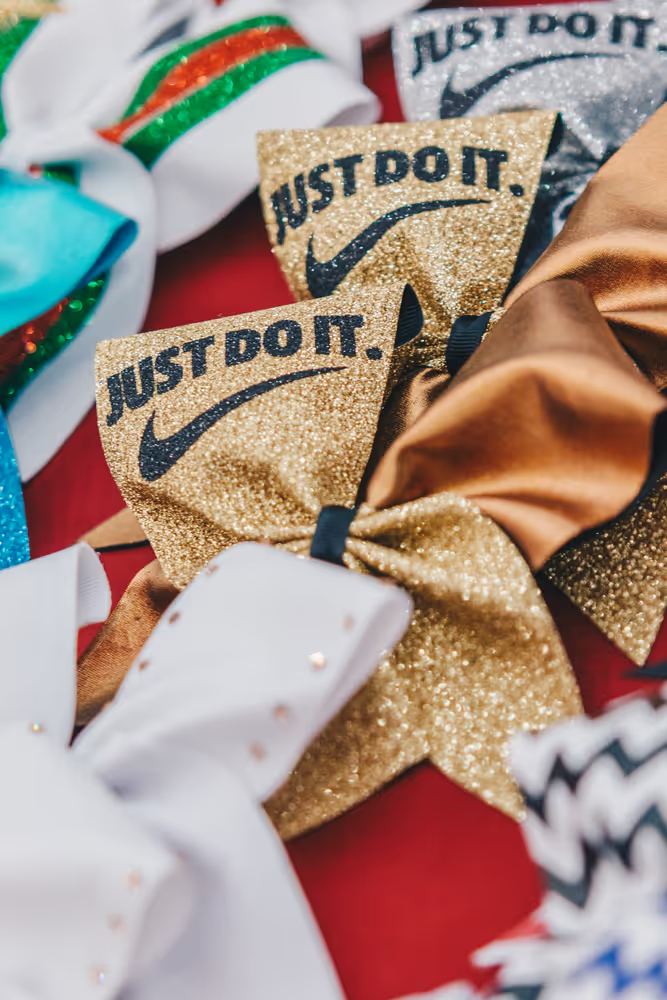
Most jewellery and hard accessories should not be worn during cheerleading practice. However, soft cheer bows may be suitable when worn securely.
Bows are a fun way to show team spirit and personality. They can also be customised using your team colours and designs.
Just make sure the bow is securely attached and does not contain any sharp or dangerous parts.
Creating matching bows can even become a fun team-building activity!
Ready for Practice?
The best cheerleading practice outfit is one that allows you to move freely, train confidently and stay safe.
Remember to wear fitted, stretchable clothing, flexible bottoms and lightweight, secure sports shoes. Remove jewellery and sharp accessories, and keep long hair tied back securely.
The right practice wear will help you focus less on your clothing and more on developing your skills.
Now that you know what to wear, you’ll be ready to practise safely, comfortably and confidently!

